Hearth Roots and Streamlined Spaces: Choosing a Home Rhythm
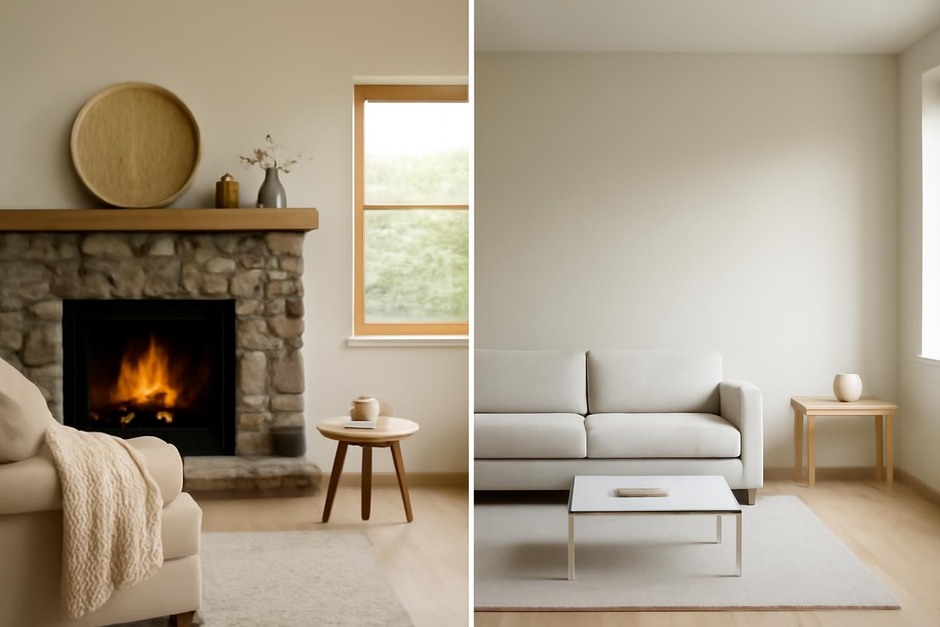
Homes have always been shaped by more than architecture: they grow from habits, technologies, and shared ideas about comfort. Two enduring approaches to everyday home life—what I’ll call hearth-centered living and streamlined minimalism—reflect very different historical roots and practical effects. Both can make a home feel intentional and nourishing; they simply do that in different ways.
How the approaches arose
Hearth-centered living traces back to a time when the hearth was literally the heart of the home. The fireplace or stove was where meals were cooked, clothes were dried, lights were lit, and people gathered. Objects were kept close to hand for comfort and function: blankets, pots, stools, baskets. The home’s layout and rituals grew around social life and warmth, and layers of textiles, ceramics, and well-worn tools contributed to an intimate, tactile atmosphere.
Streamlined minimalism, by contrast, has roots in industrial modernity and later in Scandinavian design. It values simplicity of form, uncluttered surfaces, and visible order. The goal is often to reduce visual noise so daily life feels calmer and maintenance becomes easier. Where the hearth approach accumulated objects that tell stories and support rituals, minimalism favors restraint and clear lines—each item chosen for a purpose or aesthetic coherence.
Comparing practical differences
Objects and surfaces
Hearth-centered: Surfaces tend to hold items that are used or cherished—mixing practical tools, textiles, and sentimental pieces. Layers, textiles, and natural materials are common, creating texture and comfort.
Streamlined: Surfaces are mostly clear. Storage is often concealed, and decorative choices are selective and restrained. Materials may be smooth and light to enhance light and perceived space.
Daily rituals and routines
Hearth-centered: Routines emphasize presence—lighting candles or a lamp in the evening, making slow breakfasts, or setting out a tea tray. These rituals are visible and invite lingering.
Streamlined: Routines are optimized for efficiency and calm. A predictable morning sequence, dedicated storage spots, and minimal decision points help reduce cognitive load.
Maintenance and time investment
Hearth-centered: Cleaning tends to be about caring for many tactile objects—refreshing textiles, dusting ceramics, and managing layered surfaces. This can be rewarding but time-consuming.
Streamlined: Easier to clean in a short time because there are fewer surfaces and items to attention. The trade-off is the initial effort of editing and creating systems for keeping things minimal.
Social life and flexibility
Hearth-centered: Welcoming and informal; spaces invite friends to linger. The abundance of useful items makes impromptu hosting simple—extra blankets, mugs, board games are at hand.
Streamlined: Feels open and calm, which can be ideal for quiet gatherings or focused conversation. Hosting may require quick reveals from hidden storage—folding out what’s needed, then restoring order.
Choosing between them: questions to ask
Rather than declaring one approach right, consider these practical questions to help you choose—or to blend elements from both.
- How much time do I realistically have for upkeep? If short, a leaner setup reduces daily chores. If you enjoy hands-on care, hearth practices can be satisfying.
- Do I value visible warmth or visual calm? If tactile layers and visible objects make you feel grounded, hearth-centered choices serve you. If clear sightlines and lightness soothe you, minimalism will help.
- How do I use my home socially? Frequent casual hosting favors a hearth approach; quiet, intentional gatherings may suit minimalism.
- Does my living space set limits? Small spaces often benefit from minimalism’s storage strategies, though a few well-chosen hearth touches can still create comfort.
- What rituals do I want to keep or introduce? Identify one or two small practices—lighting a lamp, arranging a weekly flower or clearing surfaces each evening—and build your approach around them.
Practical steps for each path (and for blending)
Hearth-centered starters: Choose durable, low-maintenance textiles (a throw and two cushions), designate a small tray for everyday items so clutter looks intentional, and pick one visible ritual such as a kettle ready on the stovetop or a lamp you turn on each evening.
Streamlined starters: Edit surfaces by removing everything that isn’t used weekly, invest in a few closed storage solutions, and establish a 10-minute evening reset where counters and tables are cleared.
Blending: Keep the overall silhouette minimal, but allow a handful of tactile, personal objects in key places—a woven basket, a small stack of favorite bowls, or a single well-loved throw. Use hidden storage to preserve the feeling of order while letting warmth show in chosen spots.
Both approaches are practical, humane ways to shape daily life. Thinking historically about why they developed helps us choose not out of fashion but with intention: matching the way we live now to surroundings that support it. The best home rhythm is the one that makes ordinary days feel more livable, whether through layers that invite lingering or through order that frees the mind.